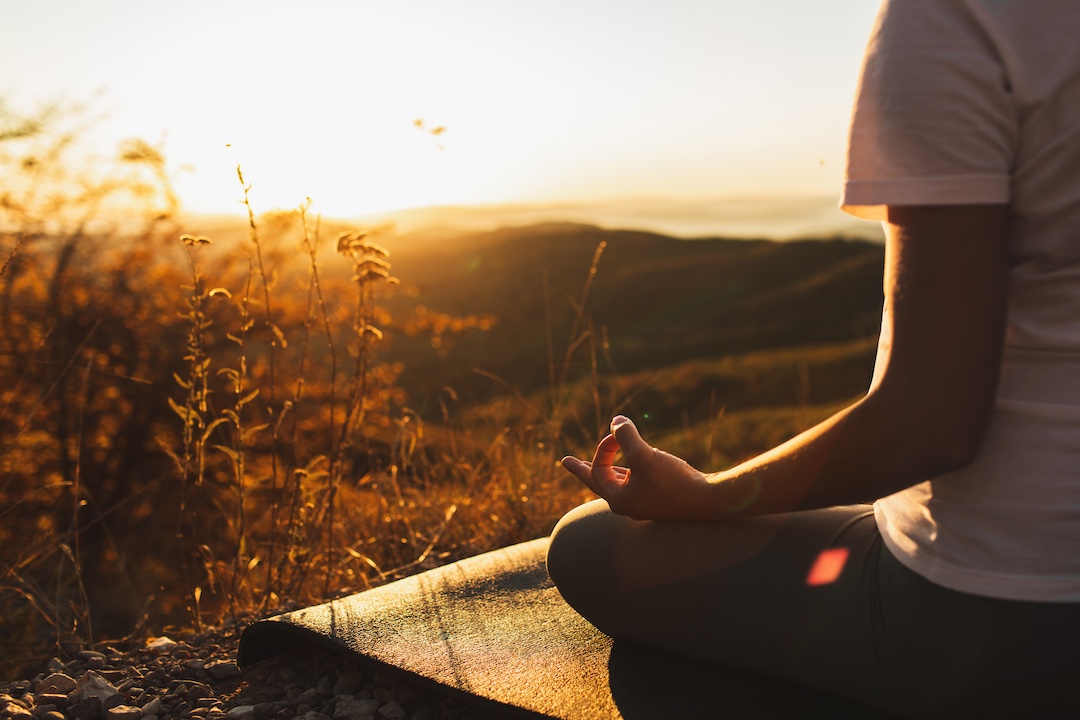
 Technalink has been a constant advocate for the benefits that learning how to meditate can bring to people. However, it’s easy to see how, for some, even the thought of beginning meditation can be intimidating. There’s an assumption that learning how to meditate requires an already highly developed sense of personal enlightenment or spirituality, or a highly evolved state of self-control.
None of these things is true. Anyone can learn how to meditate; the important thing is a willingness to move in the right direction, not necessarily follow a specific set of steps.
Mindfulness Is Not Control
One of the most common preconceptions people have about meditation is that it is about forcing and maintaining a higher spiritual and mental state. People with this assumption also assume that any thoughts that enter the mind mean that meditation has failed, and you are bad at it.
The reality is that our minds naturally drift. Thoughts come and go, and the goal of meditation is not to control the thoughts you have. It’s not even to prevent thoughts from entering, but rather, to achieve a state of mindfulness. This mindfulness comes in the form of not getting lost in thoughts, but observing them. It is the ability to focus on the act of observation and to be aware of the flow of thoughts as they come and go, rather than being lost within the thoughts themselves.
In some ways, this is similar to taking an outsider, observational role in your own thought processes. Learning how to meditate is, in a sense, not thinking, but thinking about thinking. This is a gradual process, and is by no means difficult to attain. The real discipline comes in taking that ability to observe and stretching it out over entire meditative sessions.
Try to find the right method and accessories that may work for you, like mala prayer beads. Everyone’s journey will be different.
Leave a Reply