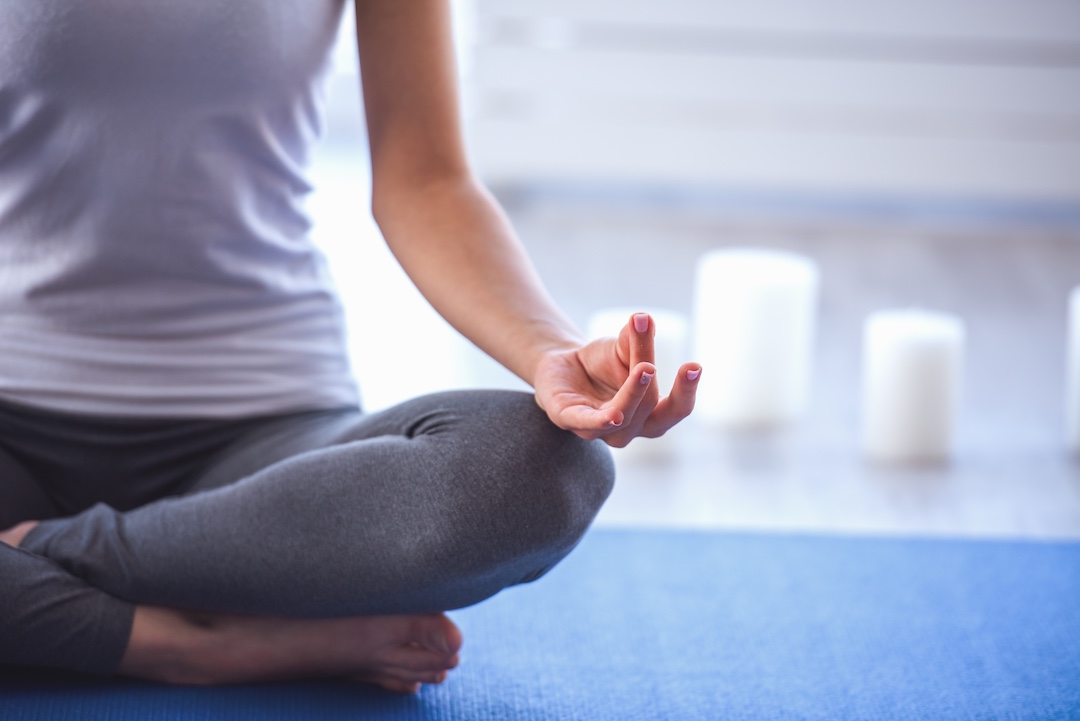
 As a new year begins, Technalink, like many of you, is looking at ways to make things even better in this time of renewal and commitment. One thing people may be considering is learning how to meditate. If you’re considering this, you should be aware that meditation can offer several benefits. Here are seven things that meditation could do to help you.
Manage Addictions
While learning how to meditate isn’t a cure-all for addictions or addictive behaviors, it can play an important role in helping to manage and eventually overcome them. A key component of meditation is attaining a state of mindfulness, in which you are aware of your feelings without being controlled by them. Meditation can help to address and manage cravings and give people more control in curbing them.
Better Sleep
Meditation is about consciously bringing about a state of relaxation. For some, learning how to meditate can be a useful way to prepare for a good night’s sleep. Often, an active or troubled state of mind can be a significant roadblock to falling asleep quickly and getting quality rest. Meditation can help to negate these effects with conscious preparation.
Inflammation Reduction
The mind and the body are so closely intertwined that “biofeedback,” which means that one element can influence the other, is well-documented. Because of this, while a troubled body can lead to a troubled mind, the reverse is also true. A mind that trains itself to relax can exert that influence over the body, leading to effects such as reduced inflammation, which is often exacerbated by stress.
Anxiety Management
Everyone worries about something, and depending on your personal circumstances or those of the world in general, anxiety may be an ever-present feeling. This is one of the areas where learning how to meditate can help a lot. While meditation cannot eliminate anxiety from your life—that often requires going directly to the source—it can be crucial in helping people to manage that anxiety and prevent it from being the dominant, controlling element in your life.
Improve Confidence
Meditation can be part of a confidence-building regimen. In the same way that planning, visualization, and other internal techniques can lay out a structure for pursuing and achieving goals, meditation can play a similar role. Meditation can be an important tool in reflecting on current situations and deciding on new measures to approach them. This can lead to more competency and confidence in your life.
Maintain Brain Health
Because learning to meditate is largely an internal process, this kind of regular cerebral activity can be important for retaining mental acuity and sharpness. Meditation is about controlling the ability to focus, and to hone in on specific thoughts and feelings. All of this can go a long way toward keeping the mind agile and helping to mitigate the effects of illnesses like Alzheimer’s and other conditions that can impair mental activity.
Pain Management
Finally, learning how to meditate can sometimes play an important role in pain management. While it is true that pain is a physical sensation, how we react to that sensation is often a matter of the mind. Meditation can help to focus on the pain, see it as merely one element in the body, and either reduce its importance or learn to build a tolerance toward it.
Of course, just deciding to learn how to meditate is only the first step. You’ll need to find a style of meditation that works for you. This may even require the use of additional tools or accessories like agate prayer stones to help you better focus on your goals and the state of mindfulness.
Leave a Reply